

By Kelly Budnick, MOT, OTR/L
Co-Regulation Series: Part 1

Co-regulation is all about connection. It’s how we help our children manage big feelings, behaviors, and even physical reactions by staying calm, present, and responsive (Paley & Hajal, 2022). Rather than expecting children to independently self‑regulate, co‑regulation recognizes that regulation skills are developed first between people before they can occur within the child. This understanding aligns with the well‑established view that “child development occurs within the context of parent‑child interactions” (Barfoot et al., 2024, p. 333). Barfoot et al. (2024) further highlight that positive parent–child interactions, characterized by “warmth, sensitivity, responsiveness, and adaption to the child’s needs,” are foundational to developmental and emotional outcomes (p. 333).
What this really means in everyday parenting is that your relationship with your child is the foundation for how they learn to manage emotions. Barfoot et al. (2024) emphasize that it’s not just what we do, but how we connect during everyday moments that support development. When you sit with your child during a meltdown, respond with patience, or adjust to what they need in the moment, you are actively supporting their emotional growth, not just getting through a tough situation. Over time, these repeated experiences of feeling seen, supported, and understood help children build trust and safety, which are essential for developing independent regulation skills.
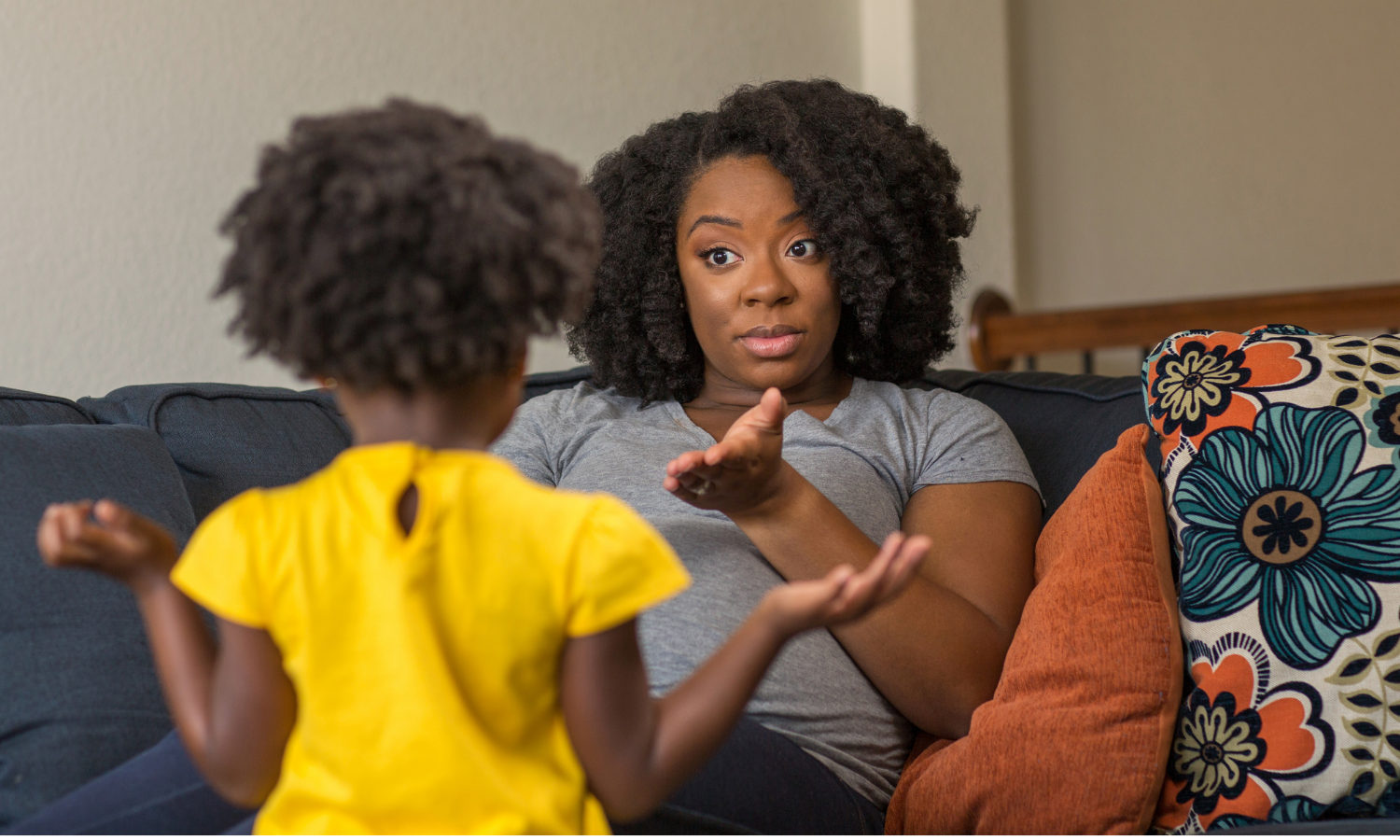
Parent and Caregiver Takeaways
Your connection comes first
Focus on staying present, calm, and responsive—this is what teaches your child how to regulate, not just what you say.
Example:
Your child is upset because they have reached their screen time limit. You sit calmly beside them and show your support. Your calm presence and validation help them begin to regulate. Later, when they are feeling calm and connected, you explain the screen time limits and reasoning.

Follow your child’s needs in the moment
Adjust the level of support and environment to meet your child’s emotional regulation skills. Build opportunities for growth gradually over time.
Example:
Your child is overwhelmed during an unexpected, busy shopping outing. Instead of pushing them to keep going, you pause, adjust your expectations, and say, “Let’s take a break together.” You step outside, provide a calming hug, snack and give them a few minutes to reset.
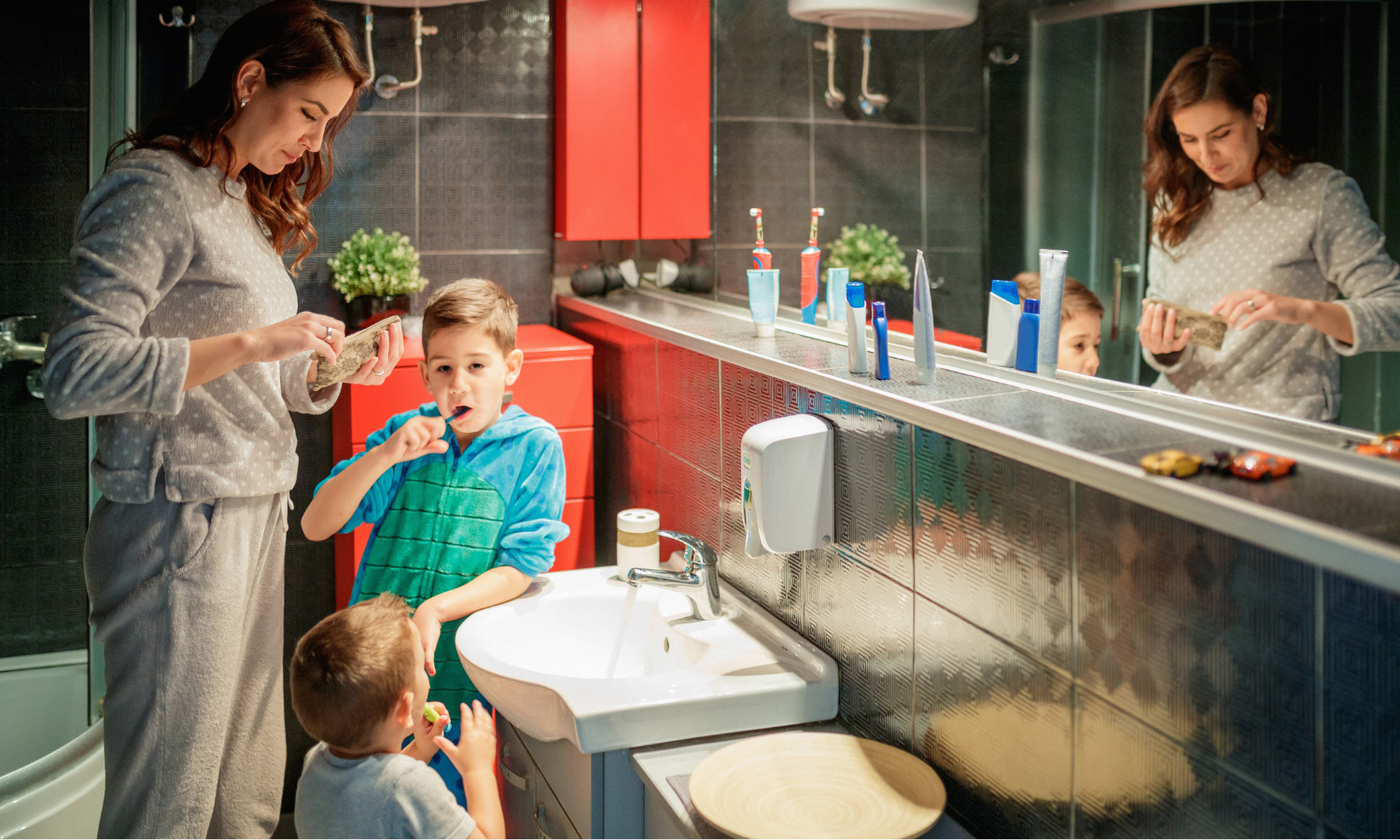
Small moments build big skills over time
Each time you respond with modeling strategies and support, you’re helping your child build trust and emotional skills they’ll eventually use on their own.
Example:
During a difficult moment transitioning into the bedtime routine, you stay nearby, speak softly, model slow, deep breaths, and turn down the lights. Over time, your child begins to model using calming strategies independently.
References
Barfoot, J., Meredith, P., Whittingham, K., & Kerley, L. (2024). Including a relationship-focus in paediatric occupational therapy interventions: Introducing the PAIR model. Journal of Occupational Therapy, Schools, & Early Intervention, 17(2), 331–347. https://doi.org/10.1080/19411243.2023.2203416
Paley, B., & Hajal, N. J. (2022). Conceptualizing emotion regulation and coregulation as family‑level phenomena. Clinical Child and Family Psychology Review, 25, 19–43. https://doi.org/10.1007/s10567-022-00378-4