

By Kelly Budnick, MOT, OTR/L
Co-Regulation Series: Part 2
A key contribution occupational therapy brings to co‑regulation is interoceptive awareness: the ability to recognize and interpret internal body signals. Interoception is “a sense...the unique job of interoception is to enable us to feel the inside of our body” (Mahler, 2019). These internal body signals provide important information about a child’s physical and emotional state. For children, early experiences of regulation begin with external support (i.e., the parent/caregiver, environment, visual aids, and sensory tools). Because their interoceptive awareness and body–emotion connection are still developing, children may not yet recognize or understand these internal signals; instead, they are often expressed through behavior (e.g., crying, shutting down). Co‑regulation allows caregivers to interpret these signals and respond in a supportive, attuned way, helping children gradually connect bodily sensations to emotional meaning over time.
Mahler’s research demonstrates that interoception is foundational to emotional regulation, self‑regulation, and mental health across development (Mahler, 2019). Occupational therapists can use interoceptive awareness principles to support both children and caregivers in building a shared language around internal body states and identifying early signs of dysregulation before escalation occurs. When caregivers are guided to focus on body-based cues with curiosity and without judgment, it shifts the focus from managing behavior to understanding what is happening inside body and brain encouraging questions such as, "What is the body experiencing?” instead of “How do I stop the behavior?” which reflects Mahler’s emphasis on an inside‑out approach to regulation. This approach strengthens co‑regulation by supporting more timely, responsive interactions, helping caregivers “tune in” earlier so they can respond in a calm, supportive way before a child becomes overwhelmed, which builds trust and helps the child learn how to regulate over time (Mahler, 2019).

Parent and Caregiver Takeaways
Understanding behavior starts with understanding the body
Instead of focusing only on what your child is doing, consider what their body might be communicating. Behavior is often a signal of an unmet need.
Example:
Your child suddenly becomes irritable before dinner. You have noticed this pattern in the early evening. You see the behavior as a clue and recognize it may be a hunger signal. You respond with a snack or moving up dinner time, helping regulate their body before emotions escalate. .
Build Body Awareness Together
Helping your child notice and name body signals over time supports their ability to regulate independently. As children begin to understand what their bodies are telling them, they can start to choose actions that help their body feel better and move toward regulation.
Example:
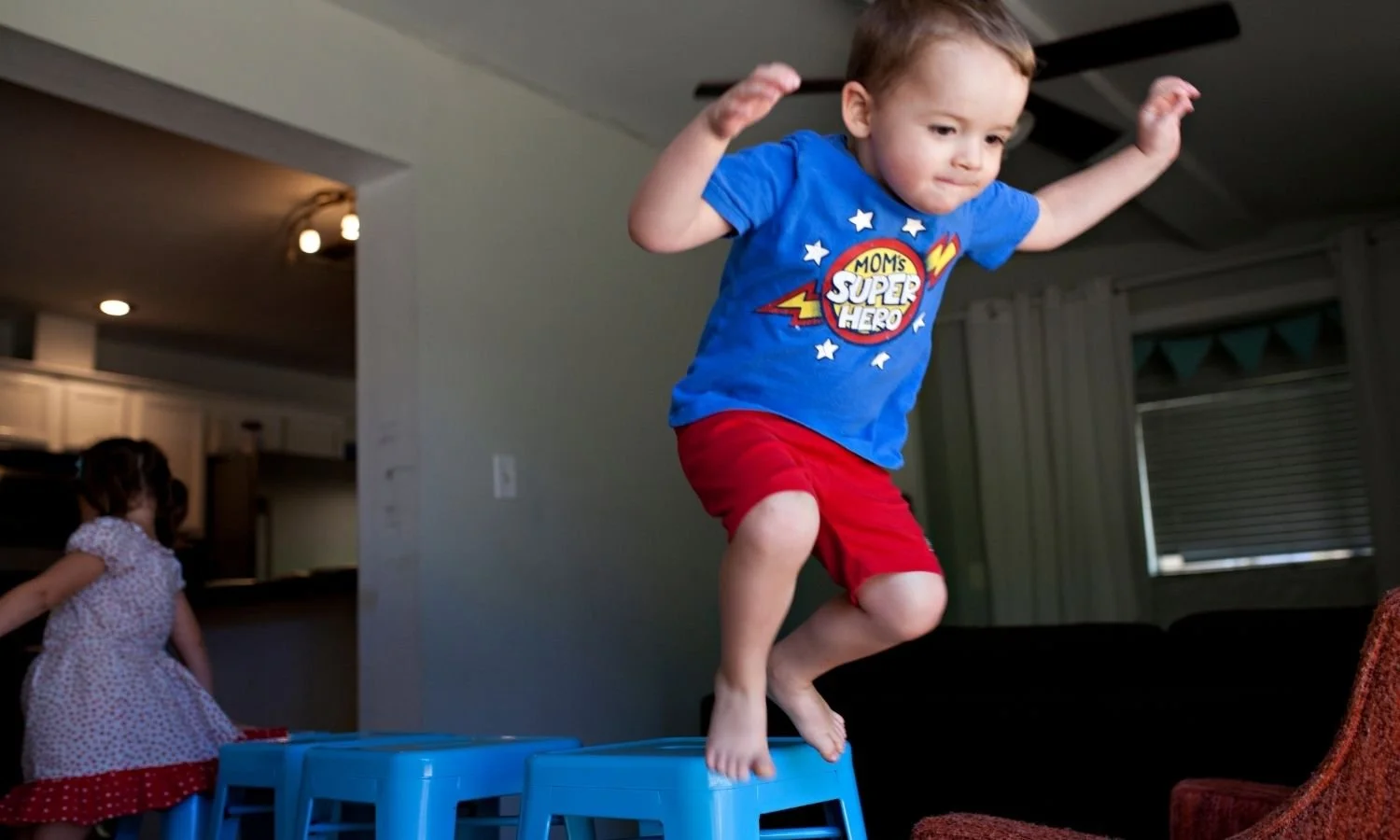
Your child is getting overwhelmed during play and starts moving quickly and loudly. You calmly say, "I notice your hands and feet are moving fast, and your voice is getting louder. Let’s check in—what might your body be telling you?” Then you support your child in choosing an action that helps their body feel better, based on strategies you’ve explored together, such as taking a break or getting movement in a more organized way.

Respond early to prevent escalation
Noticing small shifts in your child’s body can help you step in before emotions become overwhelming.
Example:
You notice your child starting to clench their fists and speak louder while working on homework. Recognizing these early signs of frustration, you pause the activity and say, “It looks like your hands are getting tight and your voice is loud, let’s take a 10 minute break and go on outside on your swing.” You step away together for a few minutes, helping your child reset before frustration builds into a meltdown.
References
Mahler, K. J. (2019). The interoception curriculum: A practical guide to developing mindful self-regulation. AAPC Publishing.