

Helping Neurodivergent Children Build Friendships
By Kendra Holloway, CCC-SLP
Friendships are an important part of childhood. They give kids a sense of belonging, boost confidence, and provide opportunities to practice communication and problem-solving. For neurodivergent children, however, making and maintaining friendships can come with unique challenges. Social rules may feel confusing, peer interactions may not always feel natural, and many children are pressured to “mask” their true selves in order to fit in.
The good news: children don’t need to change who they are to form meaningful, lasting friendships. With the right support, they can develop social skills in a way that honors their authentic personality and celebrates their differences.
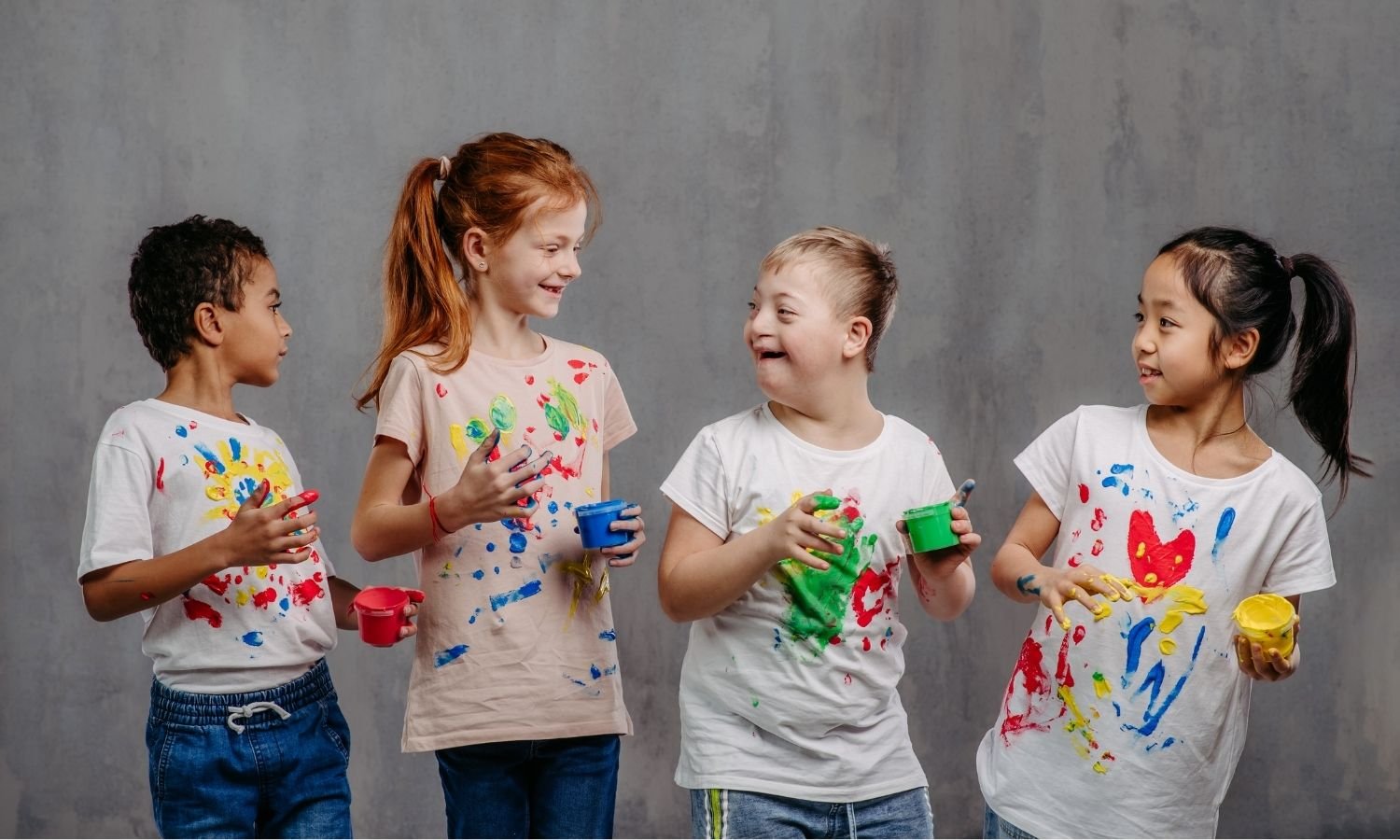
Why Friendships Can Feel Tricky
Neurodivergent children—whether they’re autistic, have ADHD, or experience social communication differences—often process the world in ways that don’t always match typical peer interactions. For example:
Some may prefer deep conversations over small talk.
Others might struggle with unspoken rules like when it’s their turn to speak.
Many children thrive in structured or interest-based activities but feel overwhelmed in unstructured play.
These differences don’t mean they can’t make friends—they simply need environments and strategies that make connection easier.
Supporting Social Skills Without Masking
Masking happens when a child feels pressure to hide their natural behaviors (like stimming, avoiding eye contact, or talking about their favorite interest) to appear more neurotypical. While masking might seem to help in the short term, it can be exhausting and harmful to self-esteem. Instead, the goal should be teaching social skills that help children connect while still honoring who they are.
Ways to do this include:
Encourage self-advocacy: Teach children phrases like, “I need a break” or “I’d like to play this way” so they can set boundaries.
Practice flexible communication: Instead of forcing eye contact, encourage active listening in a way that feels comfortable (e.g., doodling while talking).
Highlight strengths: Focus on their passions and talents as a bridge to friendships—whether it’s dinosaurs, video games, or art.
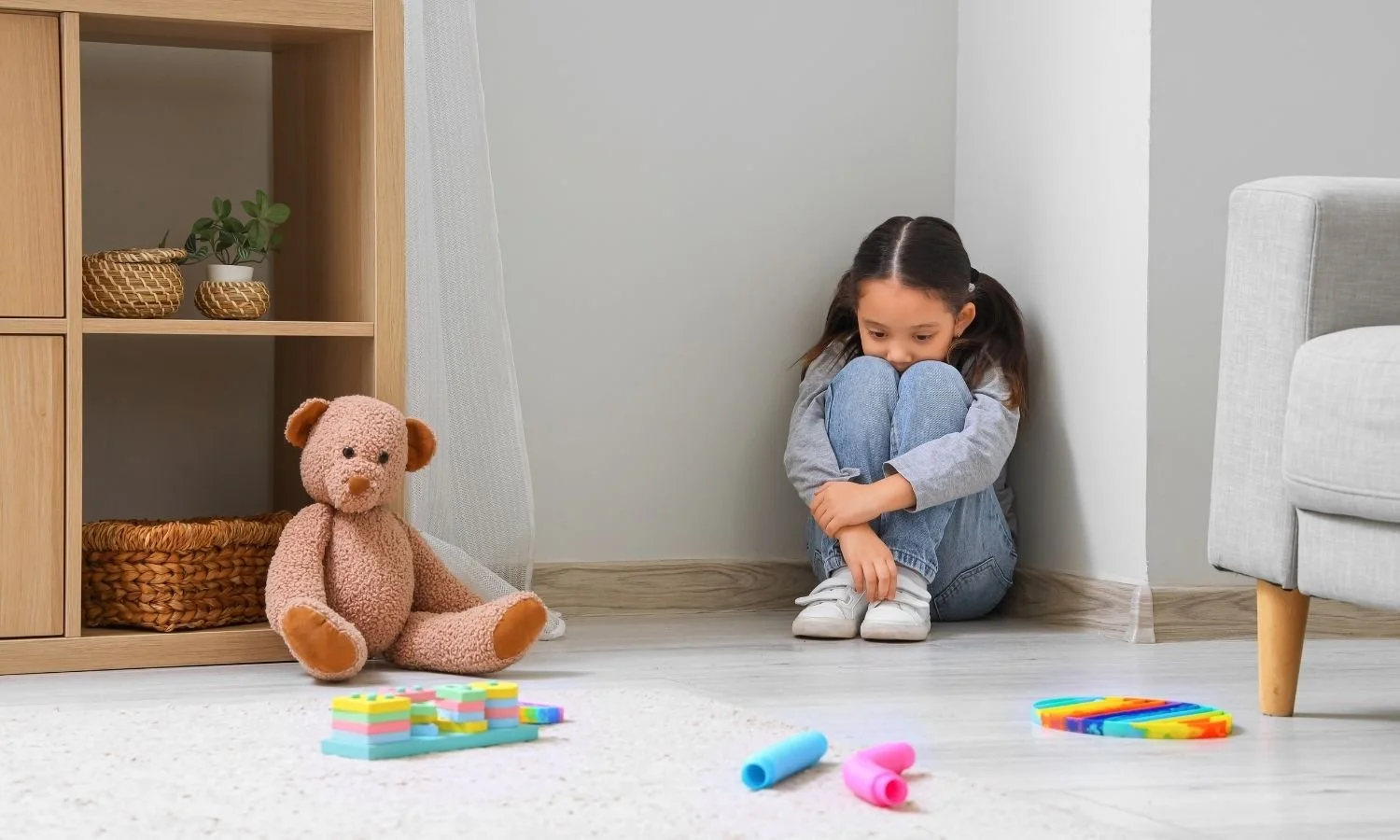
Helping Children Make Friends
Friendship skills grow best with gentle guidance and safe opportunities to practice. Parents and caregivers can help by:
Finding interest-based groups: Clubs, classes, or activities centered on shared passions often make connecting easier.
Modeling social interactions: Role-play greetings, turn-taking, or problem-solving in a fun, low-pressure way.
Creating structured playdates: Instead of unstructured free play, try planned activities like board games, art projects, or playground time.
Teaching “friendship steps”: Breaking down friendship into clear actions—like introducing yourself, asking questions, or inviting someone to play—can make it more manageable.
Helping Children Maintain Friendships
Making a friend is only the first step; maintaining one can require extra support. You can help by:
Supporting communication: Remind your child about sending a text, making a call, or planning the next hangout.
Problem-solving together: Talk through conflicts and brainstorm responses, rather than fixing the situation for them.
Celebrating kindness: Notice and praise moments when your child shows empathy, shares, or supports a peer.
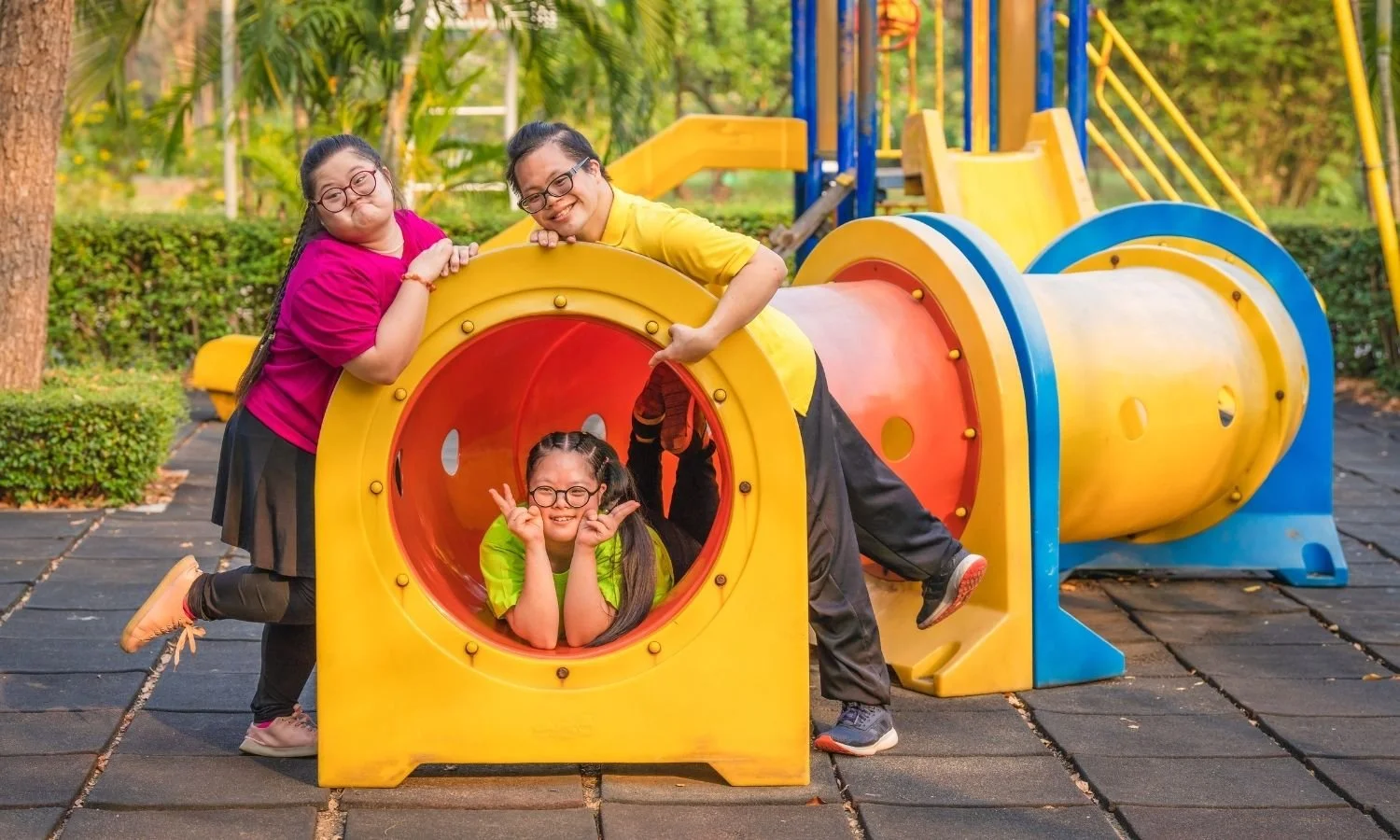
Final Thoughts
Every child deserves friendships where they feel safe, accepted, and valued for who they are. By creating opportunities for connection, teaching authentic social skills, and steering away from masking, we can help neurodivergent children build meaningful relationships that last.
If your family is looking for guidance, speech and occupational therapists at Columbia Pediatric Therapy can support children in developing communication and social skills in ways that respect their individuality. Together, we can help your child not just “fit in,” but truly belong.